Protein is everywhere right now. Social media, food labels, fitness plans, and health apps all push the idea that more protein is always better. This has left many people asking a simple but important question: how much protein should I eat a day?
The Protein Craze and Why It Can Be Confusing
Protein has earned its popularity for good reasons. It supports muscle, helps you feel full, and plays a role in hormone and immune function. The problem is that protein has become the default answer for almost every health goal.
Trying to lose weight? Eat more protein.
Want more energy? Eat more protein.
Concerned about aging? Eat more protein.
This message sounds simple, but it leaves out context. Too much focus on protein can crowd out other important nutrients like fiber, healthy fats, and complex carbohydrates. It can also lead people to rely on processed protein products instead of real food.
Blue Zones recommendations are based on the observed dietary patterns and lifestyles of the world’s longest-lived populations. Research in the blue zones regions found that people typically met their protein needs through a predominantly plant-based eating pattern centered on foods such as beans, lentils, whole grains, nuts, and seeds.
While protein needs may vary with age, activity level, health status, and personal goals, the Blue Zones approach offers a flexible framework inspired by the eating patterns associated with longevity and well-being. Individuals can adapt these principles to fit their own preferences, culture, and circumstances.
How Much Protein Should I Eat a Day?
There is no single number that works for everyone. Protein needs depend on factors like body size, activity level, age, and health goals. That said, there are helpful general ranges.
Most adults do well with roughly 0.6 to 0.8 grams of protein per pound of body weight if they are moderately active. Highly active individuals or those building muscle may need more. Older adults often benefit from slightly higher protein to support muscle and bone health.
What matters most is consistency across the day. Spreading protein intake across meals supports muscle maintenance and helps keep energy levels steady. Eating very high protein at one meal and very little at others is less effective for most people.
This is where personalized guidance matters. Blue Zones Health members can work with dietitians and health coaches who look at labs, lifestyle, and goals instead of guessing based on trends.
When Higher Protein Makes Sense
Higher protein intake can be helpful in certain situations. These include strength training programs, recovery after illness, and aging-related muscle loss. It can also support satiety during weight loss when paired with fiber-rich foods.
Even then, more is not always better. Excess protein does not automatically turn into muscle. It can place unnecessary strain on digestion and displace foods that support gut and heart health. Balance is still the goal.
High Protein Foods
Whole foods should be the foundation of your protein intake. They provide vitamins, minerals, and other nutrients that powders and bars often lack.
Some examples of high protein foods include:
- Eggs
- Fish like salmon, sardines, and tuna
- Lean poultry
- Beans and lentils
- Tofu and tempeh
- Nuts and seeds in moderate portions
Plant-based protein sources deserve special mention. They often come with fiber and phytonutrients that support long-term health. Mixing plant and animal proteins can help meet protein needs while supporting heart and gut health.
High Protein Snacks
Snacks can help fill protein gaps between meals, especially for people who eat lighter breakfasts or lunches. The key is choosing snacks that are simple and balanced.
Examples of high protein snacks include:
- Greek yogurt with berries
- Hummus with vegetables
- Cottage cheese with fruit
- Hard-boiled eggs
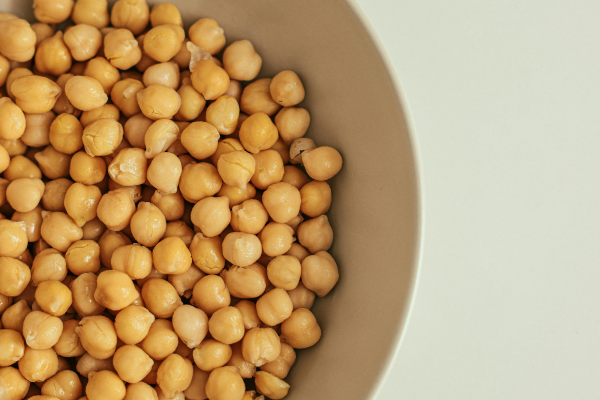
- Roasted chickpeas
- Nut butter with apple slices
Be cautious with packaged protein snacks. Many bars and shakes contain added sugars and processed ingredients. They may be convenient, but they should not replace real food on a regular basis.
Protein Quality Matters More Than Protein Hype
Not all protein sources support health in the same way. Highly processed meats and ultra-processed protein products can add sodium, preservatives, and excess calories. Over time, this can work against health goals.
Quality protein comes from foods that support the whole body. This includes lean proteins, plant-based options, and foods that fit into an overall eating pattern rich in vegetables, whole grains, and healthy fats.
Focusing on Patterns Instead of Numbers
Counting grams can be helpful in the short term, but long-term success comes from habits. Eating balanced meals, staying active, and listening to hunger and fullness cues matter more than hitting a perfect number every day.
This is a core principle of the Blue Zones approach. Health is not built on extremes. It is built on sustainable patterns supported by education, community, and expert guidance. Having access to dietitians, Well-Being Advisors, and health coaches helps members adjust their nutrition as life changes, without chasing trends.
A Smarter Way to Think About Protein
So how much protein should you eat a day? Enough to support your body, your activity level, and your health goals, but not so much that it crowds out other essentials.
The video offers a helpful starting point. Personalized guidance takes it further. When protein is part of a balanced, whole-food eating pattern, it supports strength, energy, and long-term health without the stress of constant tracking.
Protein matters, but it works best when it is part of a bigger picture focused on living better, longer.
Get Access to a Care Team
Blue Zones Health members have access to dietitians, Well-Being Advisors, and health coaches, along with their primary care doctors. That team approach helps turn general advice into a plan that actually fits your body and your life.
This article is for general education. Always follow the personal medical advice and treatment plan from your doctor.