Researchers recently identified Bolotana, a village in central Sardinia, as a new blue zones candidate because of how long its women live. About 14 percent of women there who reach 70 go on to reach 100, compared with about 3.6 percent of women in the United States.[1] The team has not yet pinned down what explains the difference, but Bolotana now joins the short list of places where long, healthy lives are common and daily life follows the same handful of principles.
October is Breast Cancer Awareness Month, and the research points to two things within your reach: getting screened on schedule, and living by the same principles of eating, moving, and connecting that blue zones communities follow every day.
Start with Your Mammogram
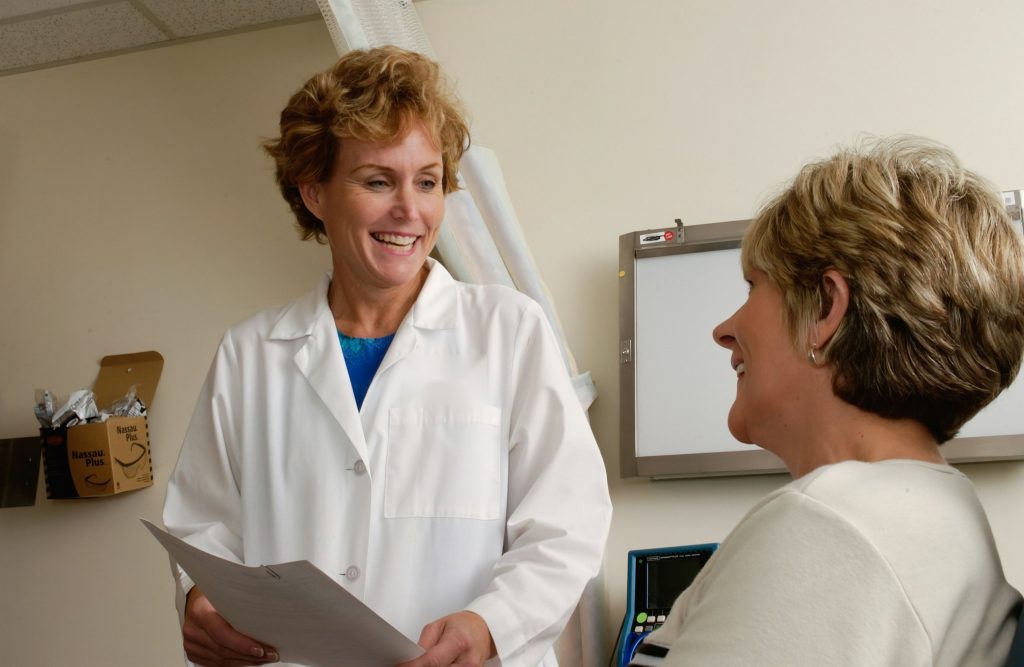
A screening mammogram, an X-ray of the breast, can find cancer early, often before you would notice any change and while it is easier to treat. The U.S. Preventive Services Task Force recommends a mammogram every two years for women ages 40 to 74.[2] For women 75 and older, the decision to keep screening is one to make with your doctor based on your health and preferences.
Medicare covers a screening mammogram once every 12 months for women 40 and older, and you pay nothing for it when your doctor accepts Medicare’s approved amount.[3] Your primary care doctor can order your mammogram and help you decide how often to go.
Fill Your Plate the Blue Zones Way
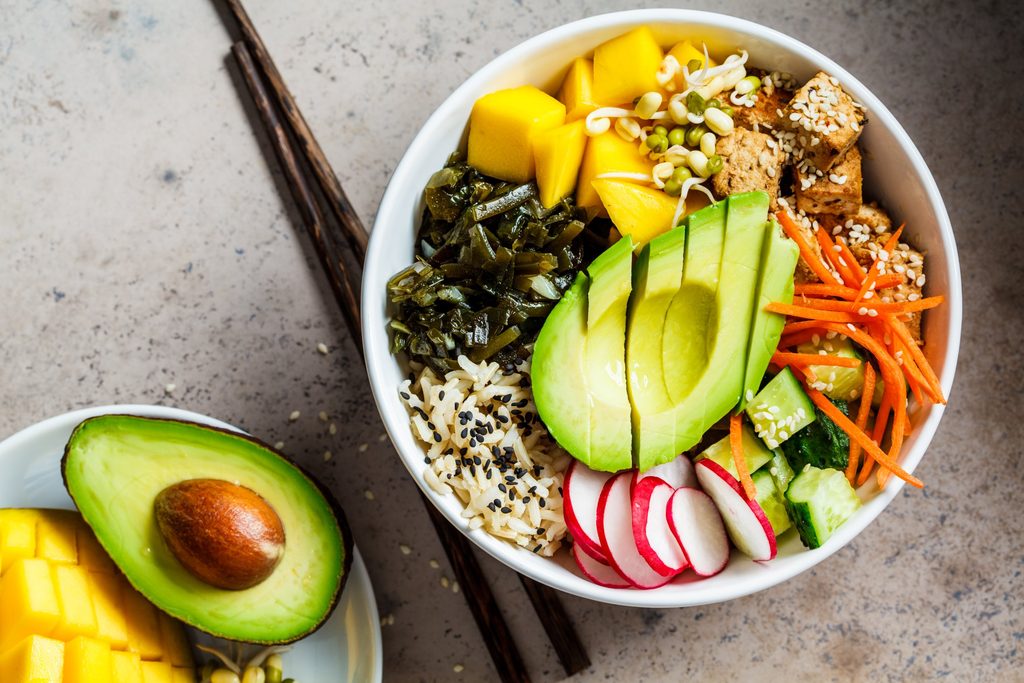
Blue zones diets are built mostly from plants, with beans, whole grains, vegetables, and fruit at the center of most meals. A 2025 study followed more than 258,000 European women for nearly 15 years, and the women who ate the most healthful plant foods had a slightly lower risk of breast cancer.[4]
The kind of plant food made a difference: whole grains, fruits, vegetables, and beans counted toward a healthy pattern, while refined grains, sweets, and sugary drinks did not. The study shows an association and does not prove that changing your diet prevents breast cancer, but its findings line up closely with how the world’s longest-lived people eat.
Move Naturally, with Company

In blue zones regions, movement comes from daily life, as Sardinian shepherds walk miles over hilly ground and Okinawan elders tend their gardens well into their 90s. Having support makes it easier to keep moving. In a 2025 trial, women going through breast cancer treatment who were offered eight sessions of exercise and education stayed more active than women who received usual care, and the difference lasted a full year.[5]
The walking Moai™ groups, movement classes, and other programs in the Blue Zones™ Health Community Network offer that same kind of support close to home.
Care for the Whole Person

A 2025 review of research on breast cancer survivors looked at six areas of daily life: movement, food, sleep, stress, social connection, and avoiding tobacco and too much alcohol. It found ways each one can help survivors feel better day to day, with stronger evidence for some areas than others.[6] Blue zones communities have woven those same areas into daily life for generations: Okinawans meet with their moai, Sardinians end the day with friends, and families keep older relatives close.
If you or someone you love is living with breast cancer, Blue Zones Health Well-Being Services can help with health coaching, nutrition counseling, support groups, and connection to programs that fit your needs. Call 1-310-295-0981 or email careteam@bluezoneshealth.com, Monday through Friday, 8 a.m. to 5 p.m. PT.
Your Next Step
Your Annual Wellness Visit is the easiest place to start. Ask whether you’re due for a mammogram, review your other screenings, and talk about the goals you want to set for the year ahead. The visit is covered at no cost to Blue Zones Health members, so if you haven’t had yours in 2026, call your primary care office to schedule it before the end of the year.
Connect with Well-Being Services
View the Community Events Calendar
References
- Pes GM, Austad SN, Buettner D, et al. A new blue zone? Exceptional late-life survival in Bolotana, Sardinia. Frontiers in Aging. 2026;7:1951042. https://www.frontiersin.org/journals/aging/articles/10.3389/fragi.2026.1951042/full
- US Preventive Services Task Force. Screening for breast cancer: US Preventive Services Task Force recommendation statement. JAMA. 2024. https://www.uspreventiveservicestaskforce.org/uspstf/document/ClinicalSummaryFinal/breast-cancer-screening
- Medicare.gov. Mammograms. https://www.medicare.gov/coverage/mammograms
- Shah S, Laouali N, Mahamat-Saleh Y, et al. Plant-based dietary patterns and breast cancer risk in the European prospective investigation into cancer and nutrition (EPIC) study. European Journal of Epidemiology. 2025;40(8):947-958. https://pubmed.ncbi.nlm.nih.gov/40658296/
- Smith-Turchyn J, Stouth DW, Keogh JAJ, et al. Implementing exercise and self-management for women with breast cancer during treatment: results of the NEXT-BRCA randomized controlled trial. Scientific Reports. 2025;15(1):26055. https://pubmed.ncbi.nlm.nih.gov/40681723/
- Wright LE, Sudheendra PK. Evidence for the benefits of lifestyle medicine interventions in breast cancer survivorship. The Oncologist. 2025;30(7):oyae303. https://pubmed.ncbi.nlm.nih.gov/39656454/