Chronic kidney disease (CKD) affects roughly 1 in 7 adults in the U.S., and most don’t know they have it. Common risk factors include diabetes, high blood pressure, and a family history of kidney disease.
What Your Kidneys Do
Your kidneys are your body’s water treatment plant. Every day, they filter about 200 liters of blood, pulling out waste, excess fluid, and toxins and sending them out as urine. They also help regulate blood pressure and keep your body’s chemistry balanced.
When you eat protein, your body breaks it down and uses only what it needs. The leftover waste heads to your kidneys for filtering. A little is no problem — but consistently sending a high volume of waste, especially from certain protein sources, means your kidneys have to work harder over time.
Why Protein Source Matters
Protein from both animal and plant foods gives your body the building blocks it needs. But they arrive with very different “packaging,” and that packaging has real consequences for kidney health.
Animal sources of protein (red meat, processed meats, poultry) tend to carry more saturated fat and sodium. They also generate a higher acid load when digested, which the kidneys have to work to neutralize. Over time, this can stress kidney function.
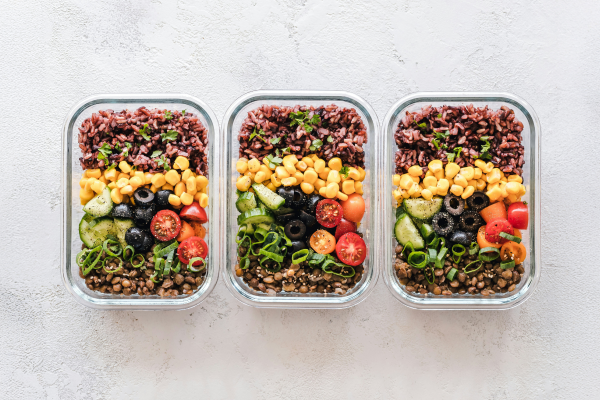
Plant-based foods (beans, lentils, tofu, nuts, seeds, whole grains) come with a lower acid load, less saturated fat, little to no sodium in their natural form, and an added benefit: fiber. They also produce fewer waste compounds that accumulate when kidneys aren’t filtering at full capacity.
Research consistently shows that people who eat more plant-based foods have a lower risk of developing CKD and better kidney function over time. In the Adventist Health Study-2, one of the largest diet and longevity studies ever conducted, vegetarians had about half the risk of dying from kidney disease compared to nonvegetarians. People in the original Blue Zones — the longest-lived populations on earth — eat meat sparingly and lean heavily on beans and legumes as a daily staple.

Kidney-Friendly Eating Habits
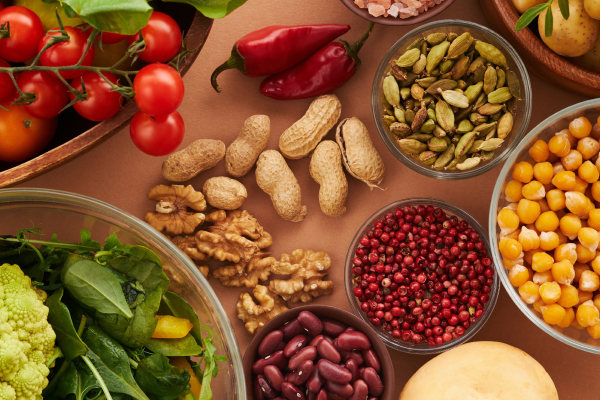
Lean on beans and legumes. Chickpeas, lentils, black beans, kidney beans, and edamame are among the most kidney-friendly protein sources available. Aim for at least three servings per week and build from there. Blue Zones research has found that people who eat at least a cup of beans per day tend to live four to seven years longer than those who don’t.
Swap one animal protein source per day. Try lentil soup instead of a chicken sandwich at lunch, or black beans in a taco bowl instead of ground beef. Small shifts in the right direction add up.
If you eat meat, choose wisely. Fish and seafood are the most kidney-friendly animal food choices, with stronger research support than poultry and significantly better outcomes than red or processed meat.
Treat processed meat as an occasional food. Bacon, sausage, hot dogs, and deli meats are among the highest-sodium, highest-acid-load options. Enjoying them now and then is fine; choosing them daily or weekly is worth reconsidering.
Stay hydrated. Water helps your kidneys filter waste effectively. Plain water is the best choice, though herbal teas and water-rich foods like fruits and vegetables count too.
Watch the sodium. High sodium raises blood pressure, which is one of the leading contributors to kidney damage. Plant-based foods in their natural form are generally low in sodium — another point in their favor.
Your Kidney Health Action Plan
Start with one or two changes you can actually keep up. Pick something from the list this week:
- Bean swap: Add one serving of beans, lentils, or tofu where you’d normally use meat.
- Fish first: Choose fish or seafood when eating animal foods this week.
- Skip the deli: Replace one processed meat meal with a plant-based option.
- Hydration check: Drink a glass of water before each meal.
- Read the label: Check sodium on packaged foods and choose lower-sodium options when you can.
You don’t need to change everything at once. Each small shift toward plant-forward eating supports your kidneys, your heart, and your long-term health.