The blue zones are regions of the world where people live the longest, healthiest lives. People in these communities are far more likely to reach age 100 while experiencing lower rates of heart disease, stroke, and other chronic conditions.
What Does Blue Zones® Have to Do with Your Heart?
Their longevity isn’t the result of a single diet or exercise program. Instead, it comes from living in environments that make healthy choices the easy and natural choices. These lessons are captured in the Power 9®—nine lifestyle habits that support living better, longer.
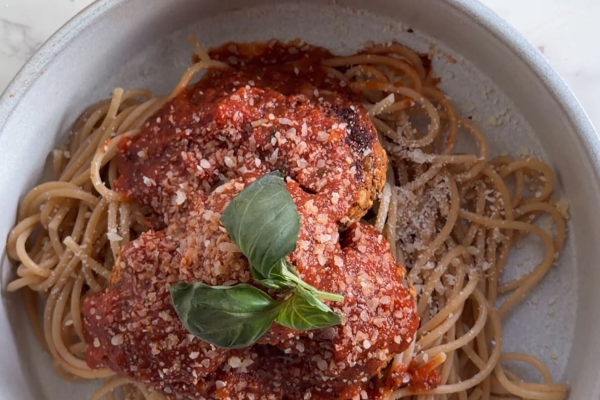
Eat in a Heart-Healthy Way
What you eat directly affects your blood pressure, cholesterol, weight, and blood sugar. Small shifts add up.
Lean on plants. Fill most of your plate with vegetables, beans, whole grains, fruit, and nuts. Aim to include beans or lentils at least once a day (think chili, lentil soup, hummus, or a bean salad). Choose leafy greens often (spinach, kale, romaine) and pick whole grains like oats and brown rice over white bread and pastries.
Use healthy fats. Olive oil and small handfuls of nuts support healthier cholesterol. Use them in place of butter and fried foods when you can.
Use meat as a side, not the star. Reducing saturated fat from meat helps lower “bad” cholesterol. Try a few plant-based meals each week using beans, lentils, or tofu for protein.
Eat slowly and stop at 80% full. Overeating strains your heart over time. Try eating your biggest meal earlier in the day, put your fork down between bites, and turn off screens so you can tune in to when you’re comfortably full.
On alcohol: If you don’t drink, you don’t need to start. If you do, keep it light and always with friends and food. Too much raises blood pressure and can damage the heart.
Move More (You Don’t Need a Gym)
Regular movement strengthens your heart, lowers blood pressure, improves cholesterol, and helps manage blood sugar. And it doesn’t have to look like a workout.
Walk after meals (even 10 to 15 minutes helps your body manage blood sugar and supports circulation). Take the stairs when you can. Do yard work or housework by hand. Stand up and move for a few minutes every hour if you sit for long periodsa lot. Every bit of movement counts.
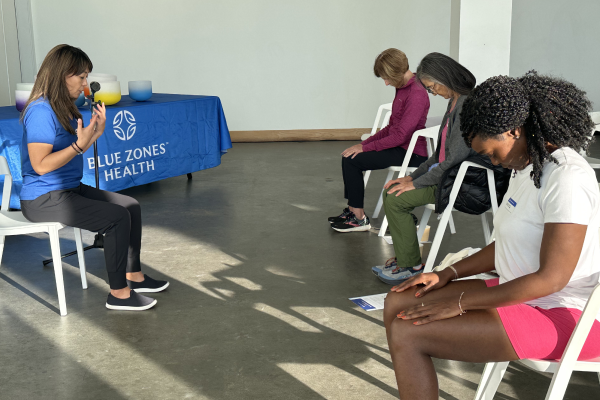
Manage Stress (Your Heart Feels It Too)
Chronic stress raises blood pressure, increases inflammation, and raises the risk of heart disease. Building small reset moments into your day goes a long way.
Try: 5 to 10 slow, deep breaths when you feel tense. A few quiet minutes of prayer, meditation, or reflection. A short rest or nap on high-stress days. Something you enjoy daily (reading, music, gardening, time outdoors).
On sleep: Aim for consistent sleep and wake times. Keep your room dark, cool, and quiet. Limit screens for at least 30 minutes before bed. Your heart does some of its most important recovery work while you sleep.

Stay Connected (It’s Good for Your Heart)
Loneliness and isolation are real risk factors for heart disease. Supportive relationships lower stress hormones and reduce inflammation.
Eat with family or friends when you can, even once a week. Call or text someone you care about each day. Join a walking group, faith-based community, social club, or volunteer activity. Having a sense of purpose, a reason to get up in the morning, also supports an active, engaged life that is good for your heart.
Your Heart Health Action Plan
Start small. Choose one or two habits to practice this week:
- Heart-healthy plate: Add one serving of beans or lentils and one serving of leafy greens each day.
- After-meal walk: Take a 10- to 15-minute walk after one meal daily.
- Stress reset: Choose one daily habit (breathing, meditation, a short nap, or a relaxing hobby).
- Heart connection: Plan one shared meal or phone call with someone you care about.
- Mindful eating: At one meal, slow down and stop when you feel comfortably full, not stuffed.
You don’t need to change everything at once. Each small step strengthens and protects your heart over time.
This article is for general education. Always follow the personal medical advice and treatment plan from your doctor.